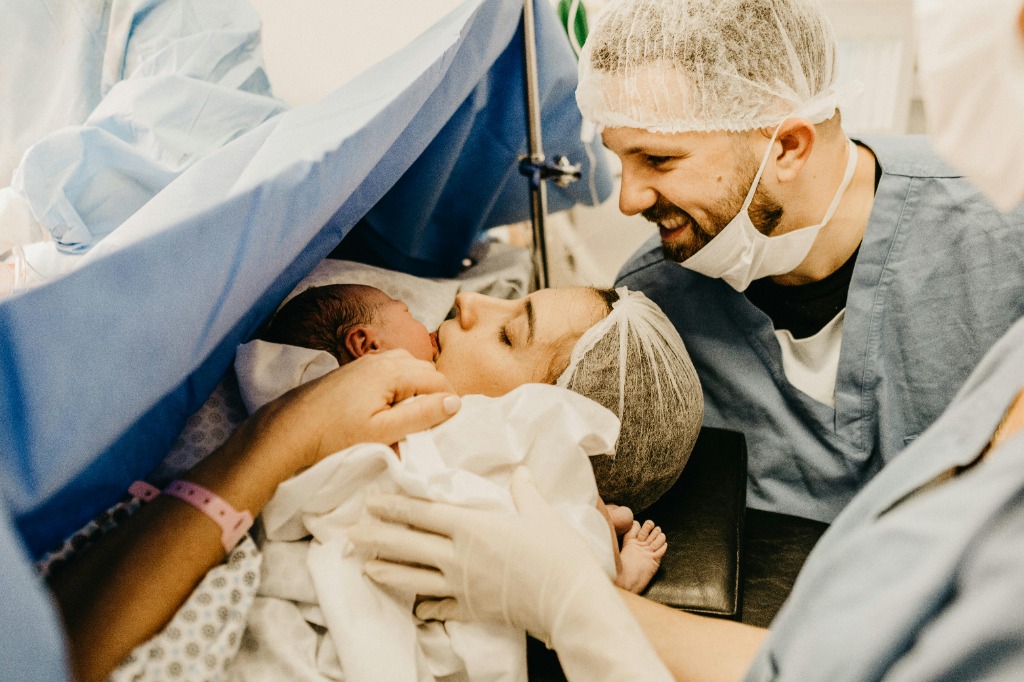
Beyond a Companion: The Active Role of the Husband in the Delivery Room
For the longest time, the delivery room was considered “the mother’s domain”. Husbands would often simply wait outside, anxious and unsure of what was happening behind closed doors. But times have changed.
In Malaysia and across the world, an increasing number of hospitals now encourage the husband’s presence in the delivery room. Research shows that continuous support during labour — particularly from a partner — can have significant positive effects on the birthing experience and the mother’s wellbeing.
However, merely being present in the delivery room is not enough. A husband who is prepared and knowledgeable is capable of providing far more meaningful support.
Why Does the Husband’s Presence Matter?
A study published in the Cochrane Database of Systematic Reviews found that continuous support during labour can:
- Reduce the need for pain medication and epidurals.
- Shorten the duration of labour.
- Reduce caesarean section rates.
- Improve the baby’s Apgar scores (postnatal health assessment).
- Reduce the risk of postpartum depression in mothers.
- Increase the mother’s satisfaction with her birthing experience.
More importantly, it strengthens the emotional bond between husband and wife and initiates early bonding between father and baby.
Preparing Before the Big Day
1. Attend Antenatal Classes Together
Antenatal classes are not just for mothers. Husbands who attend these classes will understand the birthing process, signs of labour, and support techniques they can use. This eliminates fear and uncertainty.
2. Understand the Birth Plan
Discuss your wife’s wishes — does she want an epidural? Does she want to move freely? Does she want certain music playing? Understanding and respecting her choices is the first step to being a good support person.
3. Learn Breathing Techniques
Husbands can help their wives manage contractions by guiding proper breathing techniques. Breathing together can be immensely calming.
4. Prepare the Hospital Bag
Ensure everything is packed — hospital documents, baby clothes, toiletries, snacks, and drinking water for your wife (and for yourself too!).
Active Roles in the Delivery Room
Physical Support
Massage and Counter-Pressure: Back pain is extremely common during labour. Husbands can help by providing gentle massage or counter-pressure on the wife’s lower back.
Position Changes: Help your wife change positions — walking, swaying, sitting on a birthing ball, or leaning against you. Position changes can help speed up labour and reduce pain.
Offer Water and Light Snacks: Ensure your wife stays hydrated. Offer ice chips, water, or isotonic drinks at regular intervals.
Wipe Away Perspiration: Small gestures like wiping your wife’s face and forehead with a cool, damp towel can provide enormous comfort.
Emotional Support
Words of Encouragement: “You are strong”, “You can do this”, “I am right here” — these simple words carry extraordinary power during the most challenging moments.
Staying Calm: Your wife will sense your anxiety. Try to remain calm and composed even if you feel nervous inside. Your calmness is a source of strength for her.
Communicating with the Medical Team: Husbands can act as the “spokesperson” for their wife — asking questions, conveying her wishes, and ensuring the birth plan is respected as far as possible.
Praying Together: For religious families, praying together can provide profoundly meaningful spiritual calm and strength.
After the Birth
Cutting the Umbilical Cord: Many hospitals offer fathers the opportunity to cut the umbilical cord — an experience that will never be forgotten.
Skin-to-Skin with Baby: Fathers can also do skin-to-skin contact with the newborn. This helps build early bonding and stabilise the baby’s body temperature.
Supporting the First Feed: Help your wife with the first breastfeeding position. Your presence during this moment is incredibly meaningful.
Addressing Common Fears
It is entirely normal for husbands to feel afraid, anxious, or uncomfortable. Here are some common concerns and how to manage them:
“I’m afraid of seeing blood.” You do not need to watch everything that happens. Focus on your wife’s face and eyes. Stand at the head of the bed and provide emotional support.
“I’m afraid I’ll faint.” This rarely happens, but if you feel dizzy, sit down and drink some water. Inform the nurse — they are well accustomed to this.
“I don’t know what I’m supposed to do.” That is precisely why antenatal classes are so important. But even without formal training, your presence alone carries immense significance.
“What if there’s an emergency?” Trust the medical team. Your role is to remain calm and support your wife emotionally. Let the doctors and nurses handle the clinical aspects.
Conclusion
A husband who is present and active in the delivery room is not merely a “companion” — he is a partner in one of life’s most meaningful experiences. With proper preparation, husbands can make a tremendous difference to their wife’s birthing experience.
To all husbands: do not be afraid, do not hesitate. Your wife needs you. Your presence, love, and support are the most precious gifts you can give during these most important moments.